


LED Light Sheet Explained: Structure, Applications, and Installation Insights
For professionals in the signage and visual communication industry, exhibitions and real projects are not about showcasing as many products as possible—they are about verifying what truly resonates with the market. In backlighting and decorative lighting scenarios, achieving uniform illumination across large or irregular surfaces remains a practical challenge.
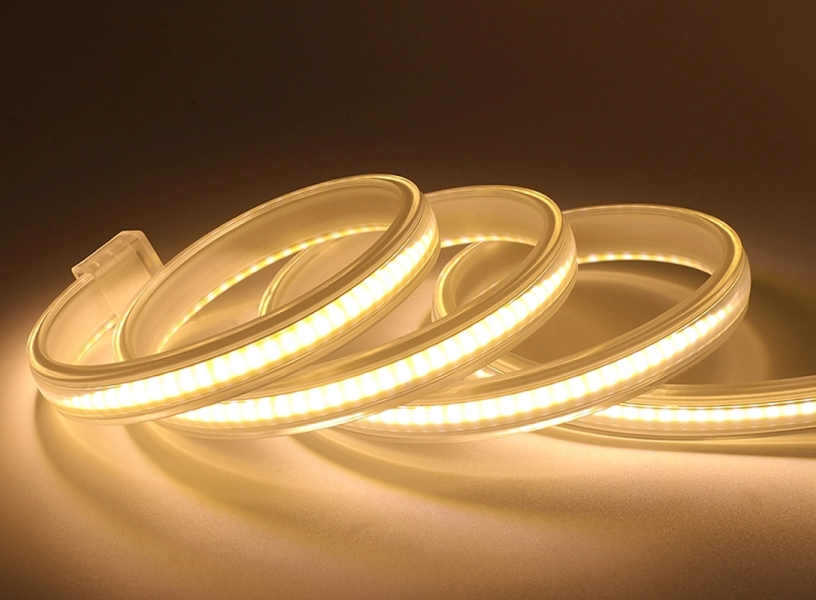
Among sheet-based lighting solutions, LED Light Sheet has gained attention for its ability to deliver consistent brightness while adapting to complex design constraints. Rather than functioning as a point or strip light, this format works as a scalable luminous surface, making it increasingly relevant in signage, architectural decoration, and commercial interior projects.
Why This Lighting Format Matters in Professional Projects
In real signage and backlighting applications, lighting quality directly affects visual perception, material presentation, and long-term maintenance cost. Professionals tend to evaluate solutions not by specifications alone, but by how well they perform once installed.
From a project perspective, this lighting format is valued because it addresses three recurring requirements:
-
Uniform brightness across wide or irregular surfaces
-
Design flexibility without complex structural modification
-
Compatibility with different materials and visual concepts
For many designers and sign makers, LED Light Sheet has become a practical option when traditional strips or modular boards fail to meet these expectations.
Structured Preparation Before Application
Before applying this type of lighting solution, project teams usually focus on layout planning, power calculation, and installation feasibility. Proper preparation ensures that lighting performance remains stable after installation and reduces the risk of uneven brightness or electrical overload.
Key preparation steps typically include:
-
Determining sheet size and quantity based on surface dimensions
-
Planning cut lines according to design geometry
-
Confirming power supply voltage and total wattage margin
-
Choosing connection methods suitable for the installation environment
This preparation logic mirrors the way professional teams approach complex lighting installations.
Product Characteristics That Influence Real-World Performance
One reason sheet-based lighting is favored in professional projects is its structural design. Unlike rigid panels, the flexible base allows the lighting surface to adapt to curved, recessed, or segmented spaces.
From a functional standpoint, this format offers:
-
High LED density for smooth, even illumination
-
Flexibility that supports curved or shaped surfaces
-
Cuttable structure for custom layouts and lettering
-
Compatibility with single-color, tunable white, and RGB control systems
These characteristics allow designers to focus on visual outcomes rather than forcing designs to fit rigid lighting components.
Technical Parameters Buyers Pay Attention To
When evaluating lighting solutions for backlighting or signage projects, professionals typically compare technical parameters that affect both performance and installation.
| Parameter | Typical Specification |
|---|---|
| LED chip type | SMD2835 / SMD3030 |
| Color options | Single white, Tunable white, RGB, RGBW |
| Color temperature | 2700K–12000K |
| CRI | ≥90 |
| Operating voltage | DC 12V / 24V |
| Standard size | 480 × 240 mm |
| Power range | 20W–60W |
These parameters help project teams balance brightness, color accuracy, and power consumption based on application needs.
Thickness Reality in Installation Planning
Marketing descriptions often emphasize extreme thinness, but practical installation requires accurate measurements.
-
Base sheet thickness: approximately 0.5 mm
-
Total thickness including LEDs: approximately 1.2 mm
-
Thickness with connectors installed: up to 7 mm
Understanding these dimensions helps installers avoid clearance issues when placing lighting behind stone, glass, or within shallow channels.
Cutting and Bending Without Compromising Reliability
Design flexibility is one of the strongest advantages of LED Light Sheet, but it must be applied correctly to avoid performance issues.
Cutting guidelines
-
Sheets include printed horizontal, vertical, and diagonal guide lines
-
Cuts must follow guide lines to protect internal circuits
-
The smallest cutting unit can be a single LED
-
Exposed edges should be sealed when contacting conductive surfaces
Bending rules
Soft bends and controlled 90-degree bends are acceptable. Sharp-angle folding should be avoided, as it may damage the circuit structure. Square corners should be formed through cutting rather than forced bending.
Connection Methods Used in Practice
In real projects, sheet-based lighting is connected using either wiring or connectors, depending on installation speed and maintenance requirements.
Wire connection
-
Pinpoints are available on all four sides of each LED
-
Recommended wire gauge:
-
20 AWG for single sheets
-
18 AWG for multiple connected sheets
-
Connector connection
-
Plug-and-play installation
-
Lightweight and removable
-
Suitable for projects requiring fast assembly or later adjustment
Both approaches are widely accepted in professional signage and interior lighting projects.
Typical Application Scenarios
Backlighting stone and translucent materials
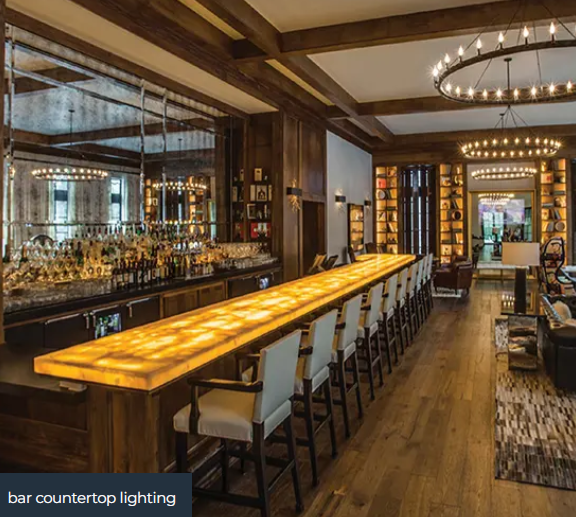
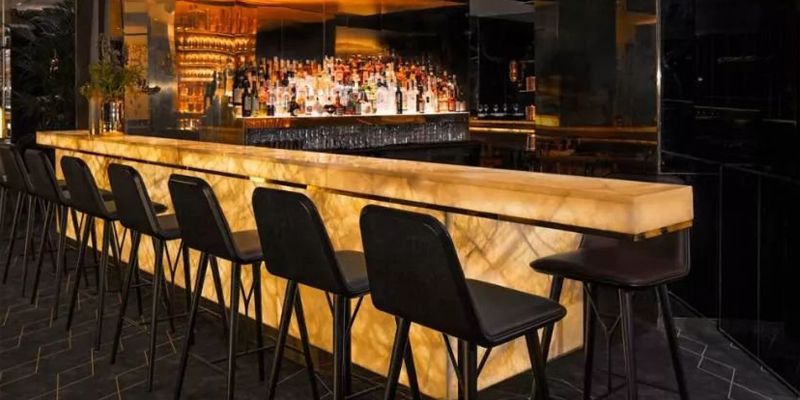
Uniform backlighting is essential for marble, onyx, stained glass, acrylic, and similar materials. When placed behind these surfaces, LED Light Sheet highlights natural textures and veins, creating a refined visual effect widely used in hotels, restaurants, bars, and retail spaces.
Signage and channel letter lighting
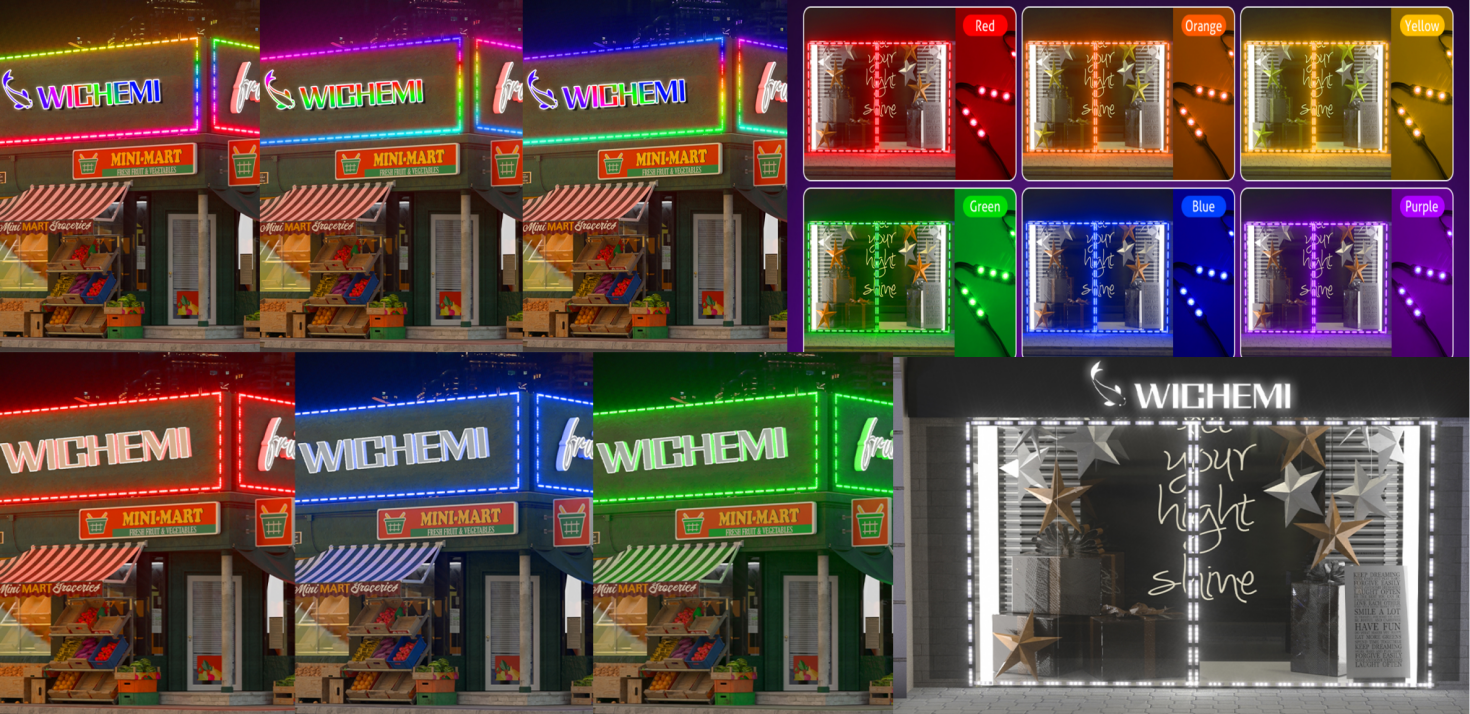
In signage applications, sheets can be cut into letters or custom shapes and installed inside channel letters with diffusers. Compared with modular LED boards, higher LED density delivers more consistent brightness. It should be noted that this solution is typically intended for indoor use only.
Large-scale commercial ceiling lighting
By connecting multiple sheets, seamless luminous surfaces can be created for commercial ceilings in shopping malls, hotel lobbies, garages, and warehouses. Covered with translucent panels, they provide clean, continuous illumination across large areas.
Installation Logic and Power Selection
These lighting panels usually include adhesive backing, allowing fast installation without screws or nails. A standard installation workflow includes:
-
Measuring the installation area and calculating required quantity
-
Connecting sheets using wires or connectors
-
Selecting a compatible power supply and controller
-
Powering on, testing, and adjusting
Electrical principle:
The power supply voltage must match the sheet voltage exactly, and total power capacity should be at least 1.2× the combined wattage of all connected units.
Common Questions From Project Buyers
What materials can this solution backlight?
It is commonly used behind marble, onyx, stained glass, acrylic, and other translucent materials in decorative and signage applications.
Can this lighting format be customized?
Yes. Panels can be cut, shaped, and configured in different colors, voltages, and control modes to match specific project requirements.
Is it suitable for outdoor use?
Standard versions are designed for indoor applications only, as they are not waterproof.
Conclusion: From Design Flexibility to Project Reliability
For projects that require uniform illumination across complex or large surfaces, LED Light Sheet offers a balance between design freedom and lighting consistency. Its cuttable structure, adaptable connection methods, and wide application range make it a reliable choice for signage lighting, stone backlighting, and large-scale interior illumination.
As a professional LED light source manufacturer, YESUN LED combines stable quality control, customization support, and project-oriented service to help partners translate design concepts into dependable lighting results. To learn more about our company and capabilities, visit our homepage:
https://sz-ysgd-b.pinshop.com/
For detailed product options and related signage lighting solutions, explore our product range here:
https://sz-ysgd-b.pinshop.com/products